Bullet Journal. Managing your life like a project
Bullet Journal. Managing your life like a project
The Bullet Journal method is a journaling system designed to help organize goals and tasks over time. It was created by a software engineer, which is why it shares many similarities with agile project management — including planning, execution, and retrospectives.
The method is structured to allow flexible time management. You start with long-term planning and gradually break it down into months, weeks, and daily tasks. It embraces change and chaos — meaning you can adjust your goals as your circumstances evolve.
I've been using this method to manage my life for the past eight months, and it has been a real game changer for me. It helps bring awareness to your progress, achievements, and areas for improvement.
The Bullet Journal has its own "rules" and specific methods for journaling. However, my goal with this article is not to explain how to follow it step by step. Instead, I want to share how I adapted it to fit my own needs and how I use it in my daily life. If you're interested in learning the original method, check out the Bullet Journal book or visit the official Bullet Journal blog.
Why Use a Physical Journal Instead of Online Tools?
Writing by hand requires more focus and intentionality. The brain engages differently when using a pen versus typing or clicking on digital checkboxes.
With a physical journal, everything is centralized in one place — offline and distraction-free. The flexibility of a blank page lets you design it however you like. Want to draw something during your daily reflection? Go for it. Want to doodle or change the structure on a whim? You can.
Another benefit is screen-free time. While journaling or managing your life, you can stay away from digital distractions.
The First Page – Index
The first page of your journal should be a summary or index. Here, you'll list the titles and page numbers of important sections so you can easily find them later.
Long-Term Thinking
Next is your long-term planning section. Write down your goals for the next 5 to 10 years across various areas of life — career, health, learning, finances, etc.
The main goal here is direction, not perfection. These aren't goals you must achieve no matter what. Instead, they serve as a compass. If you accomplish them, great. If you accomplish different goals along the way, that's fine too. It's about having a guiding star.
Yearly Planning
Break down your long-term goals into smaller, yearly objectives. Think about the progress you want to make this year. Keep in mind: these goals are also flexible. They serve as a guide — not strict rules.
Monthly Planning
At the beginning of each month, review your yearly goals and define what you can achieve within that month. Also, write down important dates, deadlines, holidays, or events. You can track habits, routines, and mini-goals — like going to the gym 12 times, reading 200 pages, or finishing a specific part of a course.
Weekly Planning
Each week, break down your monthly goals into even smaller tasks. For example: go to the gym 5 times, finish 2 course lessons, submit 3 pull requests, contribute to an open-source project, or read 50 pages.
Daily Planning
Start every day by writing the date at the top of a new page, followed by a list of all tasks — no matter how small. Write everything down: "Receive a package," "Send email," "Buy groceries." This frees up mental space and reduces stress.
Personally, I even include meals like "breakfast," "lunch," and "dinner" to keep track of my entire day.
Retrospective
At the end of each cycle (day, week, month, or year), take a moment to reflect.
- What did you accomplish?
- What didn't work?
- What could be improved?
- Did you overestimate or underestimate something?
- Were you lacking rest, sleep, or focus?
Write down improvements and highlights. This process helps you continuously improve your routine and stay aligned with your long-term goals.
Task Migration & Cancellation
At the end of each cycle, you'll find some tasks that were not completed. Migrate them to the next period if they still matter, or cancel them if they're no longer relevant.
Page Design & Symbols
The Bullet Journal method uses specific symbols and structures to quickly manage tasks and notes. You can read more about them in this official article.
Continuous Improvement
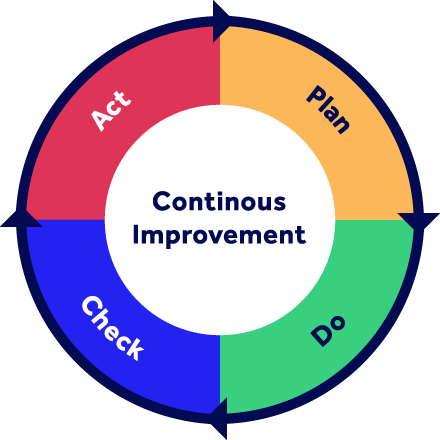
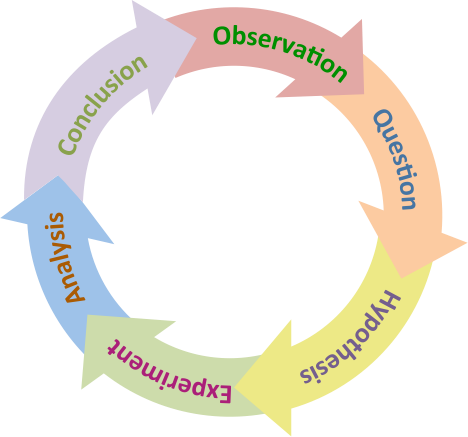
The core idea is continuous improvement — just like in agile methodologies or the scientific method. You're always learning, adapting, and iterating. That's how I use the Bullet Journal to improve my life, habits, productivity, and goals.
It's been working incredibly well for me, and I have no plans to stop.